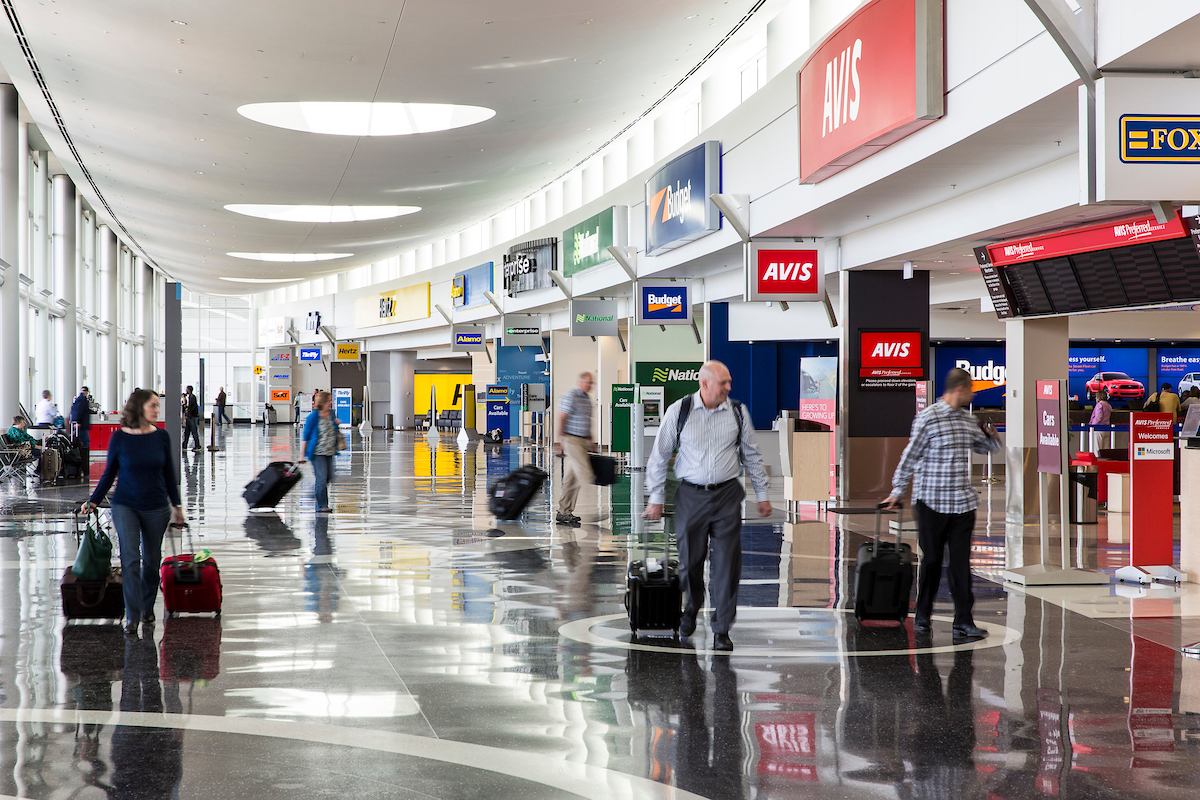
Inside the $419M CONRAC: How Sea-Tac Built the Future of Airport Car Rental
The Consolidated Rental Car Facility eliminated 3.2 million individual shuttle trips. We look at the engineering and architectural legacy of the hub.
When the Port of Seattle launched the Consolidated Rental Car Facility (CONRAC) in 2012, it transformed Port logistics.
The Engineering Scale
The footprint spans 23 acres. Construction required $419 million. Builders layered 3,500 structured parking stalls across intersecting concrete decks. The facility achieved LEED Silver status — a massive rarity for carbon-heavy [airport operations](/history).
Eliminating the Chaos
Before 2012, 12 independent agencies operated fragmented surface lots. They ran 12 competing shuttle fleets. This fractured model choked the Airport Expressway and degraded the traveler experience.
The consolidation mandate forced all operators under one roof. The Port contracted a single, centralized shuttle fleet managed by King County Metro.
The Environmental Moat
The unified shuttle protocol deleted 3.2 million individual bus trips from Seattle transit veins every year. The facility roof houses a 500kW solar array. Shuttle optimization slashed idle-time emissions.
Frequently Asked Questions
Q: When was the Sea-Tac rental car facility built?
A: The facility officially opened to the public in mid-2012 after years of logistical planning and construction.
Q: How many cars does the CONRAC hold?
A: The structure holds over 3,500 vehicles across multiple staggered decks, supporting high-turnover operations for the 12 agencies.
Ready to Rent?
All 12 authorized agencies operate from the same consolidated facility — connected by a free 24/7 shuttle.
View All Agencies →More Guides


